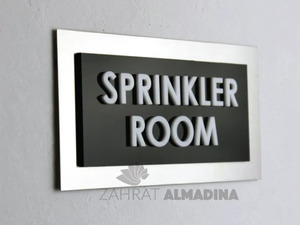
 metallic name plate for home
7 days ago in Business Services
A2Bookmarks Egypt Social Bookmarking Website
اكتشف منصة A2Bookmarks مصر، المنصة المتخصصة في حفظ الروابط الاجتماعية المصممة خصيصًا للمستخدمين والشركات في مصر. تتيح لك منصتنا، باعتبارها من أبرز مواقع حفظ الروابط الاجتماعية في السوق المصري، حفظ وتنظيم ومشاركة المحتنى الإلكتروني القيم مع اكتشاف فرص جديدة عبر أقسام الأعمال المُنتقى وأحدث insights السوق. احصل على روابط خلفية عالية الجودة لتحسين ترتيب موقعك في نتائج محركات البحث المصرية والعالمية من خلال منصتنا المتخصصة. وسّع انتشار منشوراتك وارفع ظهورها عبر نشرها في أكبر مجتمع عربي مختص بحفظ المشاركات والروابط الاجتماعية. استفد من ميزاتنا المُحسنة لمحركات البحث لتعزيز ظهورك الإلكتروني، وجذب زيارات مستهدفة، والبقاء في صدارة اتجاهات الصناعة. سواء كنت تسعى لتعزيز حضور علامتك التجارية أو التواصل مع المجتمع الرقمي في مصر، تقدم A2Bookmarks مصر الأدوات الأساسية للنمو الرقمي. انضم اليوم واغتنم قوة مواقع الحفظ الاجتماعي لتغيير طريقة إدارتك ومشاركتك للموارد الإلكترونية القيمة مع تعظيم تأثير عملك في جميع أنحاء مصر من خلال منصتنا المتخصصة لحفظ الروابط الاجتماعية.
How a Metallic Name Plate for Home Adds Style and Identity to Your Entrance
metallic name plate for home
7 days ago in Business Services
A metallic name plate for home is a simple way to give an entrance a personal touch while helping visitors identify the house easily. It can display a family name, house number, or a combination of both. With different metal finishes, shapes, and designs available, homeowners can choose a name plate that suits their entrance and personal taste. A well-made name plate is not only attractive but also practical because it can remain in place for years with proper care.
Why Choose a Metallic Name Plate for Home?
A metallic name plate is a popular choice because metal offers a balance of strength, appearance, and everyday usefulness. Unlike some materials that may crack or lose their shape easily, a suitable metal name plate can handle regular outdoor use when it is made and installed correctly.
Another benefit is the range of styles available. Some homeowners prefer a simple plate with clear lettering, while others choose raised letters or decorative borders. The design can be modern, traditional, or somewhere in between.
For example, a family living in a modern villa may choose a rectangular plate with silver lettering on a dark background. A homeowner with a traditional entrance might prefer a brass-finish plate with a classic font. Both designs serve the same purpose but create different impressions.
Different Metals Used for Home Name Plates
The material plays an important role in the appearance, durability, and maintenance of a name plate. Understanding the common options can help homeowners select a suitable design.
Stainless Steel Name Plates
Stainless steel is widely used for its clean appearance and resistance to rust under normal conditions. It is suitable for modern homes and can be finished in polished, brushed, or matte styles.
A brushed stainless steel name plate has a soft, understated appearance, while a polished finish creates a brighter surface. Stainless steel can work well near a main door, on a boundary wall, or beside a gate. However, its performance outdoors depends on the steel grade, surrounding conditions, and quality of installation.
Brass-Finish Name Plates
Brass and brass-finish plates are often chosen for their warm, golden appearance. They can suit traditional homes, wooden doors, and entrances with classic decoration.
Actual brass may develop a darker surface over time, especially when exposed to air and moisture. Some homeowners appreciate this change because it gives the plate an aged appearance. Others prefer a protective coating to help maintain its original finish. It is important to check whether a product is made from solid brass or another metal with a brass-coloured coating.
Aluminium Name Plates
Aluminium is lightweight and can be shaped into different sizes and designs. It is often used for contemporary name plates because it can be finished in several colours and styles.
Its lower weight can make installation easier, particularly on certain wall surfaces. However, the final durability depends on the thickness, coating, fixing method, and exposure to outdoor conditions.
How to Select the Right Design
Choosing a name plate involves more than selecting a metal colour. The size, lettering, shape, and background should all work together so that the name is easy to read.
Start by measuring the available space near the entrance. A large plate may suit a wide boundary wall, while a smaller design may look better beside an apartment door. The plate should be noticeable without covering nearby door numbers, lights, or other useful details.
Lettering also matters. A decorative font may look attractive in a sample but become difficult to read when used for a long family name. Simple lettering is often the better choice when the plate will be viewed from a distance.
For example, a family with a long surname may choose a horizontal rectangular plate with clear, evenly spaced letters. A short family name can work well on a square or circular design. The aim is to make the name easy to recognise without making the plate look crowded.
Benefits of a Custom Name Plate
A custom name plate allows homeowners to choose details that suit their entrance instead of selecting a design that looks the same as many others. Customisation can include the plate’s dimensions, shape, finish, font, lettering style, and mounting position.
One practical benefit is that the design can fit the available space. An entrance with a narrow wall may need a slim vertical plate, while a wide gate may suit a longer horizontal design.
Customisation also makes it possible to include useful information. Some homeowners display only their family name, while others add a house number. The information should remain clear and should not make the design too crowded.
Consider a house with a dark wooden door and a small stone wall beside it. A silver metallic name plate with simple lettering may stand out clearly against the darker surface. In another home with a light-coloured exterior, a dark metal plate may provide better contrast. These examples show why the surrounding colours should be considered before choosing a finish.
Matching the Name Plate with Your Home Exterior
A name plate usually looks best when its design complements the entrance rather than competing with it. Consider the door colour, wall texture, gate material, outdoor lighting, and nearby decorative features.
For a modern entrance, straight lines, minimal decoration, and brushed metal can create a neat appearance. A traditional entrance may suit ornamental edges or lettering with a classic style. Homes with stone or textured walls may benefit from a plate with enough contrast to keep the lettering visible.
Colour contrast is particularly important. Silver lettering on a light grey background may be difficult to read, especially in bright sunlight. Dark lettering on a light surface, or light lettering on a darker surface, is often easier to see.
Lighting can also affect readability. If the entrance is poorly lit at night, the name plate should be placed where existing outdoor lighting reaches it. A reflective finish may catch light, but strong reflections can sometimes make lettering harder to read from certain angles.
Choosing the Right Size and Lettering
The correct size depends on the length of the name and the distance from which visitors need to read it. A plate that looks suitable when viewed closely may be too small when placed several metres from the entrance.
Before ordering, measure the intended location and consider the viewing distance. Leave enough space around the lettering so that the design does not appear cramped. The text should be large enough to read comfortably, but the plate should still fit the wall or gate in a balanced way.
For example, a house set back from the road may need larger lettering than an apartment door beside a shared corridor. In a shared residential building, the name plate should also follow any building rules about size, placement, and appearance.
Proofreading is another important step. Check the spelling of family names, initials, and house numbers before the plate is produced. Even a small error can be frustrating because metal name plates are not always easy to correct after manufacturing.
Installation and Placement Tips
The right placement helps a metallic name plate remain secure and easy to see. Common locations include the wall beside the main door, a boundary wall, a gate, or a designated area near an apartment entrance.
The mounting method should suit the surface. A smooth interior wall may require a different fixing method from an exterior stone wall or metal gate. The plate should be attached securely so that it does not move or become loose during normal use.
Outdoor exposure should also be considered. Rain, humidity, dust, heat, and direct sunlight can affect the plate’s surface and its mounting materials. Choose fixings that are suitable for the environment, and follow the manufacturer’s installation instructions.
Before drilling, check for hidden electrical cables or pipes. If the wall material or mounting position makes installation difficult, professional assistance may help prevent damage to the surface.
Cleaning and Maintaining a Metallic Name Plate
Regular cleaning helps maintain the appearance of a metal name plate. In many cases, a soft cloth and mild soapy water are enough to remove dust and everyday marks. Wipe the surface gently and dry it with a clean cloth to reduce water spots.
Avoid rough scouring pads, strong chemicals, and abrasive cleaners unless the manufacturer confirms that they are suitable for the material and finish. These products can scratch polished surfaces or damage protective coatings.
Different metals may need different care. Stainless steel can show fingerprints, while brass may change colour naturally over time. Coated aluminium may require gentle cleaning to protect its finish. Following the care instructions for the specific material is more useful than applying the same cleaning method to every plate.
It is also worth checking the mounting points from time to time. If screws become loose or the plate starts moving, address the issue before the fixing causes damage to the wall or the plate.
Common Mistakes to Avoid
One common mistake is choosing a design based only on its appearance in a photograph. The actual plate may look different against the home’s wall colour or in outdoor lighting. Consider the real installation location before making a final decision.
Another mistake is using lettering that is too small or too decorative. A name plate should be attractive, but its main information must remain easy to read. Keeping the layout simple often produces a better result.
Homeowners should also avoid overlooking material quality. Two plates may have a similar colour but differ in thickness, finish, weather resistance, and construction. Ask about the actual metal, protective coating, and recommended maintenance rather than judging the product by colour alone.
Finally, do not forget to check spelling, measurements, and mounting requirements before approving the design. These small checks can prevent avoidable problems later.
Conclusion
A metallic name plate for home combines practical identification with a personal detail that can improve the appearance of an entrance. The right choice depends on the metal, finish, size, lettering, and location. Stainless steel, brass, and aluminium each offer different qualities, so homeowners should consider both appearance and outdoor conditions before making a decision.
A carefully planned custom name plate can complement the home’s exterior, display a family name clearly, and remain useful for years with suitable installation and maintenance. By focusing on readability, material quality, and a design that matches the entrance, homeowners can choose a name plate that looks good and serves its purpose every day.
Report Story
Related Stories


Recent Stories